Trigonella foenum-graecum

Traditional Mediterranean Seed Heritage

Botanical Profile

Trigonella foenum-graecum - Plant Characteristics

Trigonella foenum-graecum, commonly known as fenugreek or fieno greco in Italian, is an annual herbaceous plant belonging to the Fabaceae family. The plant grows naturally in Mediterranean regions, including Italy, Greece, and the broader Middle Eastern territories where it has been cultivated for millennia.

The plant reaches heights of 20-60 centimeters and produces distinctive yellow to pale white flowers. The characteristic feature is the seed pod, which contains 10-20 small, hard, light brown to golden seeds with a characteristic angular shape. These seeds are the primary part harvested and utilized in traditional Mediterranean practices.

Growth in Mediterranean regions occurs in spring to early summer, with harvest typically occurring in late summer when pods dry naturally. The plant thrives in well-drained soils and tolerates the warm, dry conditions typical of Mediterranean climates.
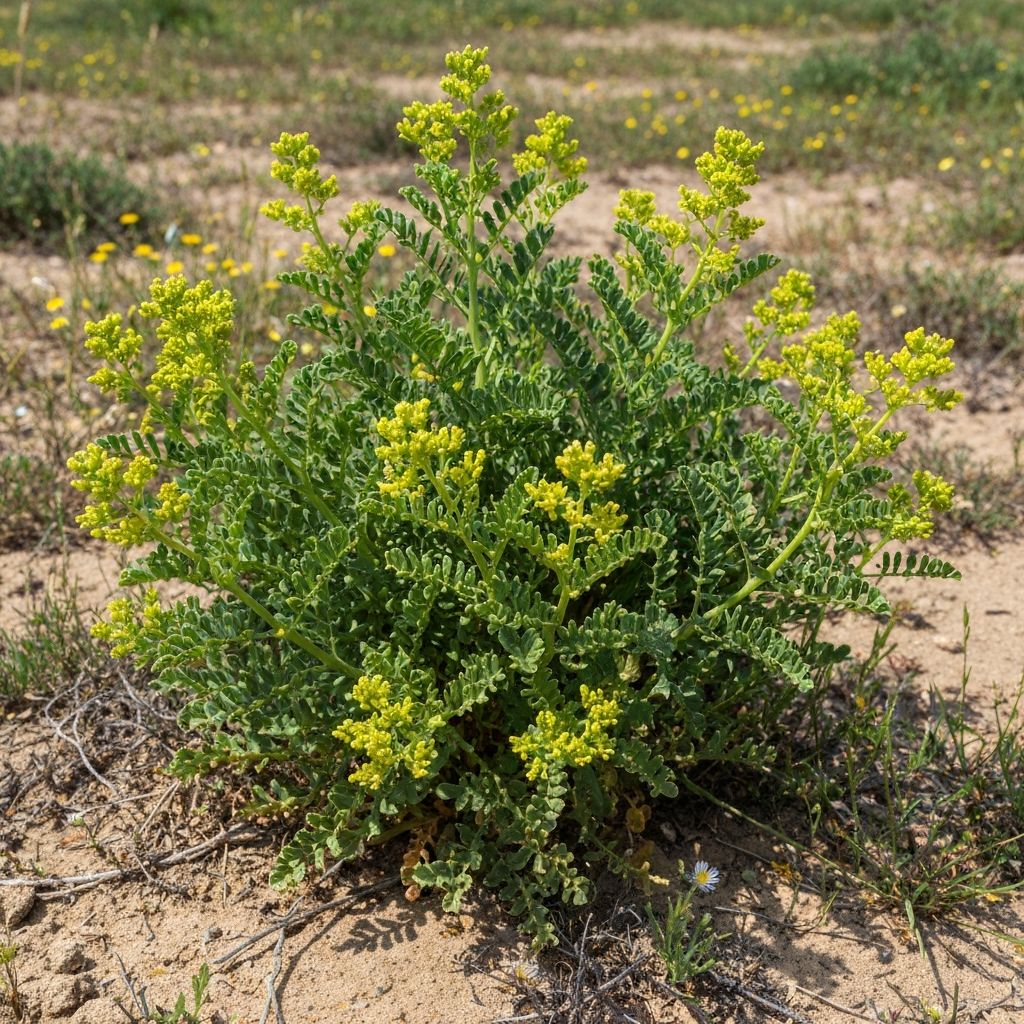
Trigonella foenum-graecum plant growing in Mediterranean fields

Historical Use in Italian and Mediterranean Traditions

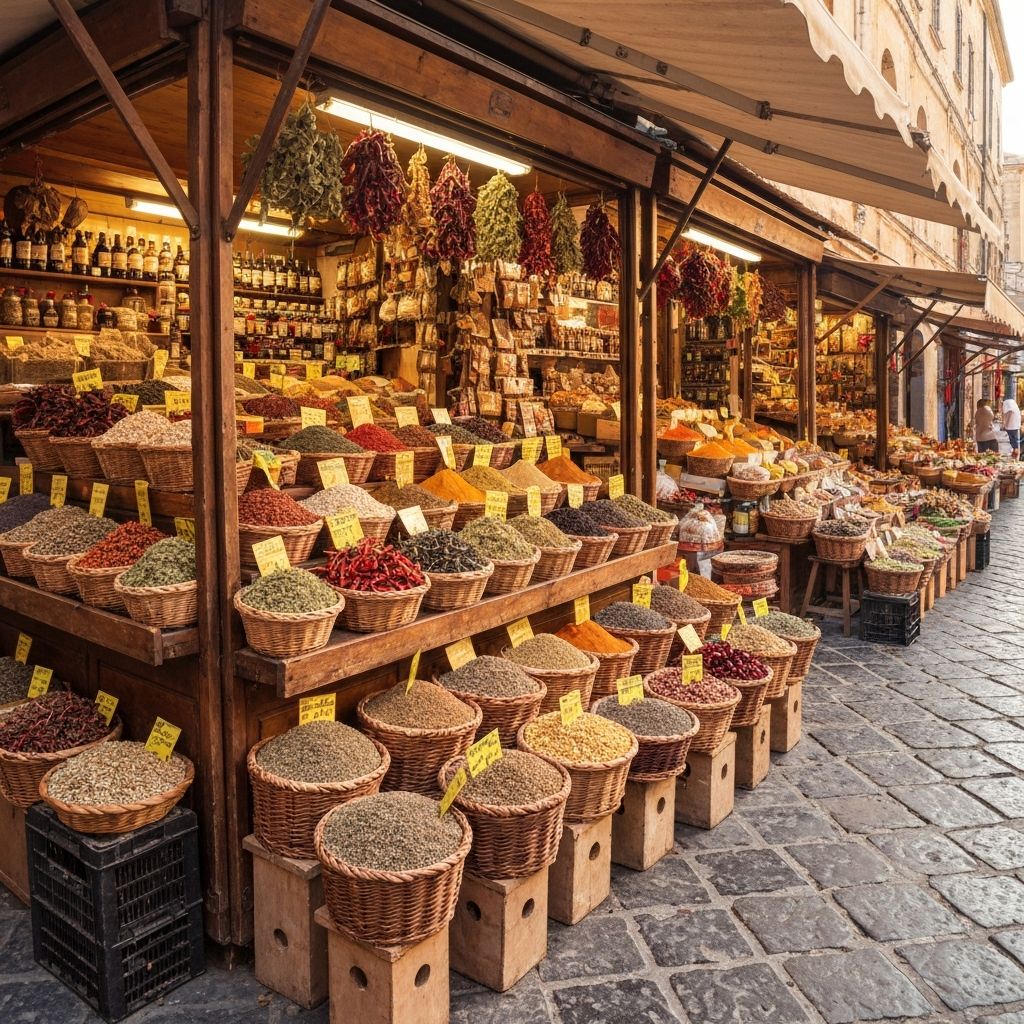
Traditional Mediterranean spice market

Regional Folk Practices and Ancient Knowledge

Fenugreek seeds have held significance in Mediterranean folk traditions for centuries. In Italy, particularly in Tuscany and Sicily, fenugreek has been part of regional herbal knowledge systems passed down through generations. The seeds were traditionally valued in Greek and Near Eastern practices, where they formed part of broader botanical knowledge related to daily wellness.

Historical texts from Mediterranean regions document fenugreek's presence in various traditional contexts. Italian herbalists and folk practitioners included fenugreek seeds in preparations for general physical comfort and as a staple ingredient in regional food practices. The plant became integrated into cultural practices around nutrition and bodily well-being.

The traditional name "fieno greco" in Italian literally translates to "Greek hay," reflecting the historical trade and knowledge exchange across Mediterranean cultures. This naming convention underscores the plant's longstanding presence in the region and its importance in traditional European herbal heritage.

Traditional Seed Preparation Methods

Historical Processing and Culinary Use

Roasting: One of the most common traditional methods involved lightly roasting fenugreek seeds in dry pans over gentle heat. This process enhanced the aromatic compounds and made the seeds more palatable for consumption. Roasted seeds developed a deeper flavor profile and were often consumed directly or ground into powders.

Grinding and Powder: Dried seeds were traditionally ground using stone mortars and pestles to create fine powders. This powder form made seeds easier to incorporate into daily foods and traditional preparations. The powder could be stored for extended periods in dry conditions.

Infusions and Decoctions: Seeds were steeped in hot water to create traditional infusions, a gentle extraction method that preserved water-soluble compounds. These infusions were part of daily nutritional practices in Mediterranean households and were often consumed as part of wellness rituals.

Integration in Food: Fenugreek seeds were incorporated directly into traditional Mediterranean cuisine, added to breads, legume dishes, and prepared foods. The seeds contributed both flavor and traditional compounds to everyday meals.

Cultural Context of Preparation

Traditional preparation methods reflected available tools and resources in Mediterranean households. Seeds were prepared fresh when harvested and stored in dried form for year-round use. The simplicity of traditional methods—roasting, grinding, and steeping—made fenugreek accessible to all segments of Mediterranean communities.

Preparation practices were often family traditions, with knowledge transmitted across generations. Different regional variations existed within Mediterranean territories, reflecting local adaptation of the plant to regional cuisines and wellness practices.

Key Phytochemical Groups

Active Compounds in Fenugreek Seeds

4-Hydroxyisoleucine

One of the significant amino acid derivatives found in fenugreek seeds. This compound is a branched-chain amino acid isomer and represents a substantial portion of the seed's nitrogen content. Traditional preparation methods, particularly soaking and heating, influence the bioavailability of this compound.

Fenugreek Saponins

Saponin compounds are steroid glycosides present in fenugreek seeds. These represent a class of naturally occurring compounds that contribute to the seed's traditional role in folk practices. Saponins are partially soluble in water, making infusion methods relevant to traditional preparation techniques.

Galactomannans

Fenugreek seeds are rich in galactomannan polysaccharides, which constitute a significant portion of the seed's fiber content. These compounds are responsible for the seed's viscous properties when hydrated and were traditionally recognized for their effects on seed texture during preparation and consumption.

Flavonoids and Polyphenols

Fenugreek seeds contain various flavonoid compounds and polyphenolic molecules. These antioxidant compounds are distributed throughout the seed and are influenced by growing conditions and storage methods. Traditional drying and storage practices preserved these compounds for extended periods.

Cultural Role in Daily Nutrition

Integration in Traditional Mediterranean Meals

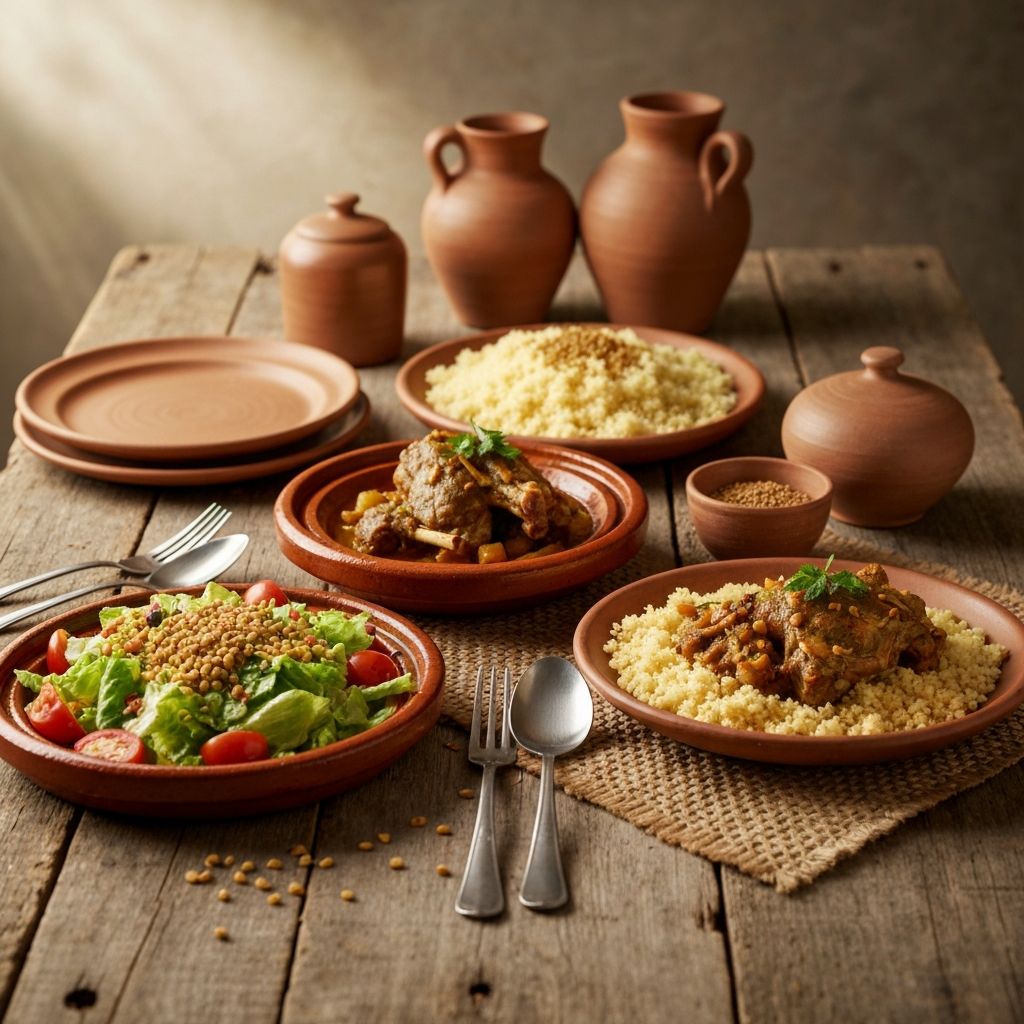
In Mediterranean food culture, fenugreek seeds functioned as both a culinary ingredient and a component of wellness practices. The seeds were integrated into everyday meals in various forms—as roasted accompaniments to grains, ground into bread flours, or as infusions consumed alongside traditional foods.

The role of fenugreek extended beyond simple flavoring; the seeds represented a bridge between nutritional intake and traditional concepts of bodily comfort. Mediterranean cultures understood seeds as carriers of plant compounds beneficial to general physical well-being when consumed as part of regular dietary patterns.

In Italian households, fenugreek seeds appeared in regional dishes, particularly in southern regions with stronger connections to Middle Eastern trade and culinary influence. The integration was natural and functional—seeds provided flavor, contributed to the nutritional profile of meals, and aligned with traditional understanding of plant-based wellness.

Traditional Mediterranean meal with fenugreek seeds and spices

Seed Blending in Folklore

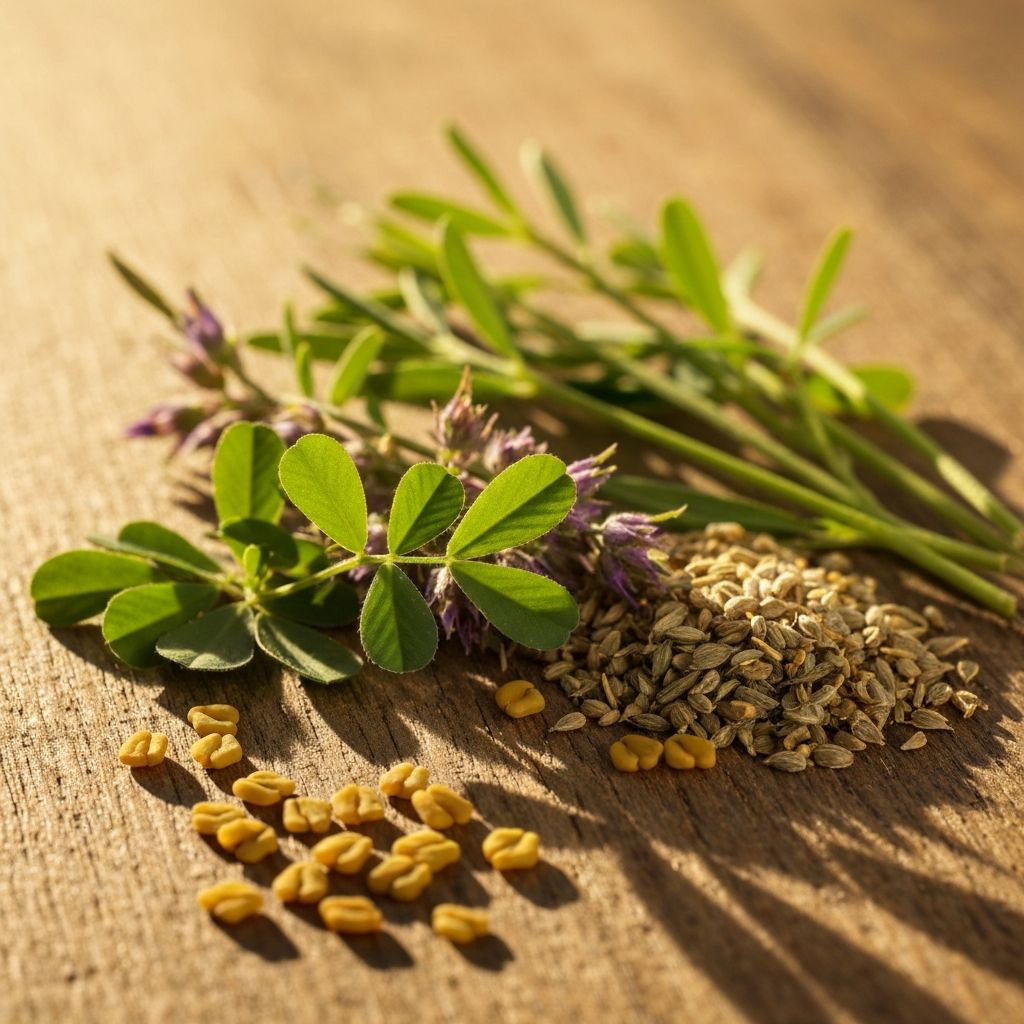
Mediterranean botanicals and seeds arranged together

Traditional Combinations with Local Botanicals

Fenugreek seeds were not used in isolation in Mediterranean folk practices. Traditional knowledge systems included methods for combining fenugreek with other locally available seeds and botanicals to create synergistic preparations. These combinations reflected centuries of experiential knowledge and cultural practice.

Common traditional pairings included fenugreek with cumin seeds, coriander, black seeds, and various herbs collected from Mediterranean landscapes. These combinations appeared in regional spice blends, culinary preparations, and traditional wellness practices. The ratios and methods of combination varied by region and family tradition.

Traditional blending served multiple purposes: flavor enhancement for foods, increased diversity of plant compounds in daily consumption, and alignment with cultural food preparation methods. These combinations represented practical application of botanical knowledge and contributed to the cultural heritage of Mediterranean nutrition practices.

Simple Breathing Exercises for Equilibrium

Gentle Traditional Breathing Patterns

The Four-Count Breath: A simple technique documented in various traditional wellness practices. Inhale slowly through the nose for a count of four, hold briefly, then exhale through the mouth for a count of four. This balanced pattern encourages parasympathetic activation and contributes to general equilibrium. Practice for 3-5 minutes during morning or evening hours.

Alternating Nostril Breathing: A technique from traditional Eastern practices that has been adapted into Mediterranean wellness contexts. Close the right nostril and inhale through the left for four counts, then reverse—close the left and exhale through the right. This pattern is believed to balance energy flow and promote mental clarity. Perform for 2-3 minutes.

Extended Exhale Breathing: Inhale through the nose for a count of four, then exhale slowly through the mouth for a count of six or eight. The longer exhale activates the relaxation response and reduces stress levels. Practice during moments of tension or before important activities.

Natural Rhythm Breathing: Simply bring awareness to natural breathing patterns without forced control. Notice the gentle rise and fall of the chest and belly, observing the rhythm that emerges naturally. This practice develops body awareness and can be integrated into daily routines.

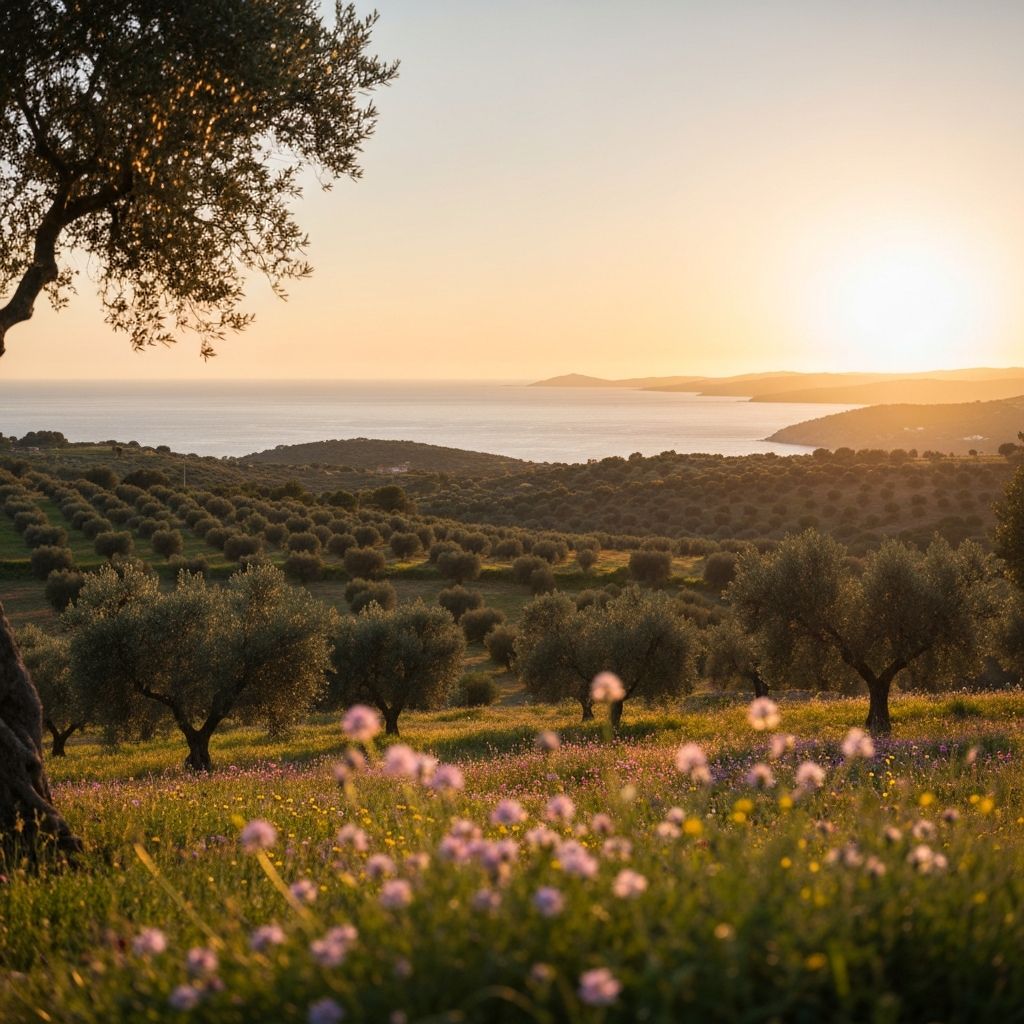
Peaceful Mediterranean landscape at golden hour

Short Relaxation Techniques

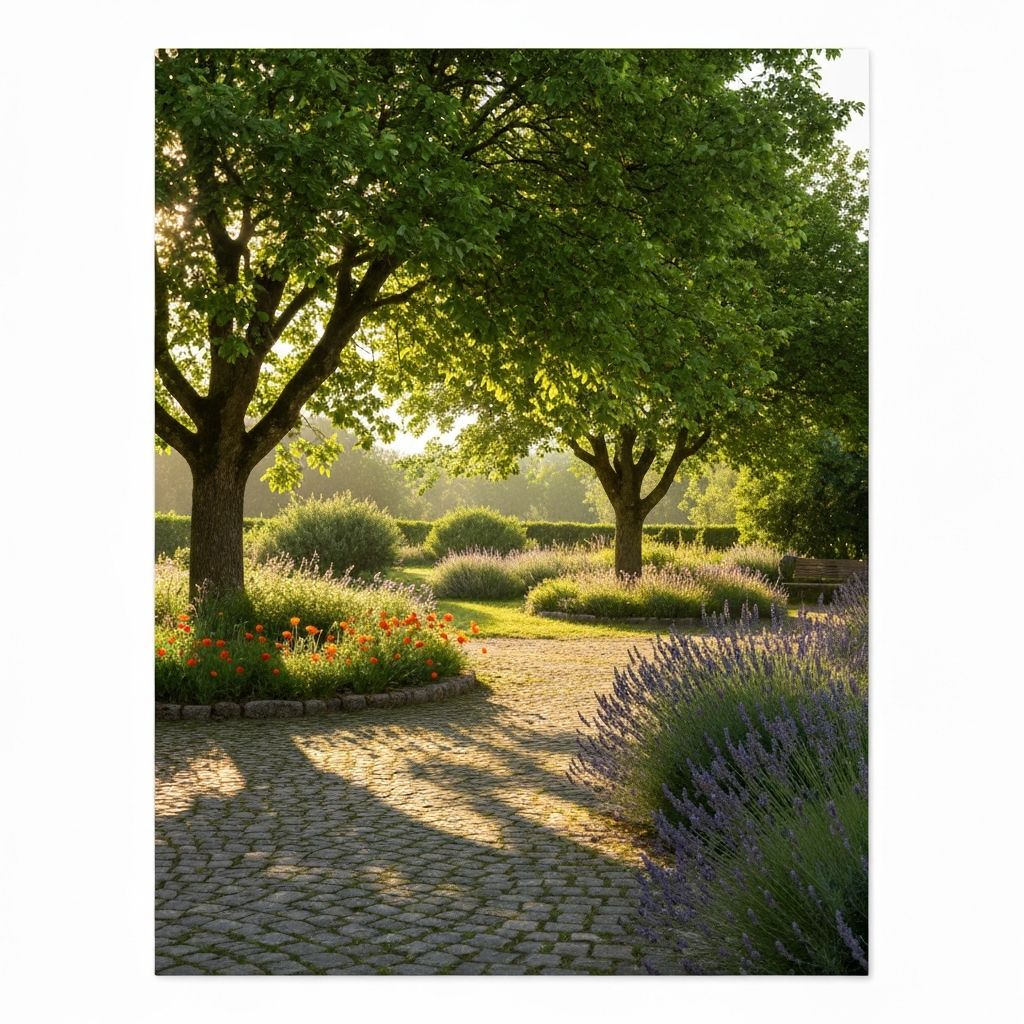
Tranquil Italian garden

Neutral Body Awareness Practices

Progressive Body Scan: While seated or lying down, bring awareness sequentially through different body regions—starting at the toes and moving toward the head. Notice sensations without judgment or attempt to change them. This develops body awareness and promotes relaxation of accumulated tension. Duration: 5-10 minutes.

Grounding Awareness: Sit comfortably and bring attention to physical contact points—feet on floor, back against chair, hands resting. Feel the support beneath you. This simple technique anchors attention in the present moment and activates the parasympathetic nervous system.

Visualization of Natural Spaces: In a quiet moment, visualize a familiar natural environment—a garden, countryside, or Mediterranean landscape. Engage sensory details: warmth of sun, sounds of nature, scents of plants. This mental shift reduces stress and promotes psychological equilibrium.

Tensioning and Release: Gently tense different muscle groups for 3-4 seconds, then release. Progress through major muscle groups: shoulders, arms, legs, back. This practice releases physical tension and creates awareness of the difference between tension and relaxation.

General Insights on Seed Diversity in Diet

The Role of Various Seeds in Balanced Living

Seeds represent one of nature's most nutrient-dense food categories, and diverse seed consumption has been central to Mediterranean and traditional dietary practices for centuries. The role of seeds in balanced living extends beyond simple nutrition—seeds carry cultural significance, flavor complexity, and traditional knowledge accumulated over generations.

Nutritional Diversity

Different seeds provide varied phytochemical profiles and nutrient compositions. Sesame seeds contribute calcium and lignans; sunflower seeds provide vitamin E; pumpkin seeds offer mineral content; and fenugreek seeds bring specific amino acid derivatives and traditional compounds. Including diverse seeds in regular dietary patterns ensures broad exposure to different plant compounds.

Cultural and Flavor Integration

Seeds serve functional roles in Mediterranean cuisine, contributing distinctive flavors and textures to foods. The practice of seed blending creates complex flavor profiles that support satiety and enjoyment of meals. Traditional seed combinations in regional cuisines reflect centuries of culinary refinement and cultural knowledge.

Fiber and Digestive Function

Seeds contain significant quantities of dietary fiber in various forms—insoluble fiber from seed husks and soluble fiber from seed endosperm. Regular seed consumption supports digestive health and contributes to stable energy levels throughout the day. Traditional practices of soaking seeds before consumption further enhanced digestive accessibility.

Practical Everyday Application

Seeds are versatile additions to daily meals—sprinkled on salads, incorporated into grains, added to soups, or consumed as snacks. The accessibility and long shelf-life of seeds made them practical staples in traditional Mediterranean households. Modern dietary practice continues this tradition of seed integration for balanced nutrition.

The wisdom of including diverse seeds in daily nutrition reflects both practical nutritional understanding and cultural heritage—a balanced approach to food that has sustained Mediterranean populations for centuries.

Mandatory Informational Limitations

Educational Content Only - No Promises of Outcomes

Content Disclaimer: All materials on this website are provided solely for educational and informational purposes. The information presented describes botanical characteristics, historical use, traditional practices, and general cultural contexts related to Trigonella foenum-graecum and Mediterranean seed traditions.

No Medical or Health Advice: This website does not provide medical advice, health recommendations, nutritional guidance, or therapeutic claims. The content is not intended to diagnose, treat, cure, or prevent any medical condition or disease. Information about traditional uses does not constitute a recommendation for personal use.

Variety of Individual Approaches: Different individuals may have different perspectives on traditional plant use, dietary practices, and wellness approaches. The presence of information does not indicate suitability, safety, or effectiveness for any particular person. Personal wellness decisions should involve consultation with qualified healthcare professionals.

No Substitute for Professional Advice: This content does not replace individualized medical, nutritional, or health professional consultation. Any decisions regarding personal health, nutrition, or wellness practices remain the responsibility of the individual and should involve appropriate professional guidance.